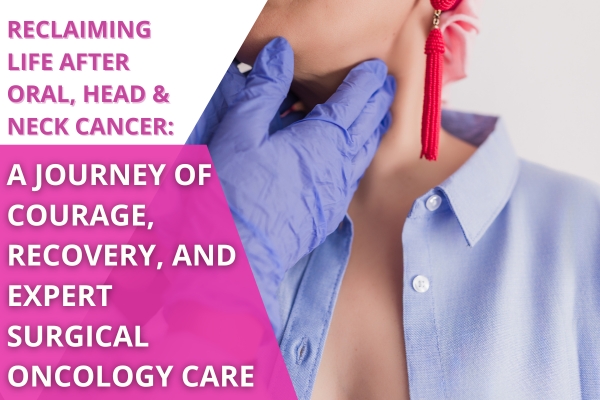
Introduction: When Small Symptoms Became a Serious Concern
At 52, Mr. Amitava Chatterjee led a busy professional life and rarely paid attention to minor health issues. However, when a persistent ulcer inside his mouth failed to heal for several weeks, accompanied by difficulty swallowing and occasional throat discomfort, his family became concerned.
Initially, he assumed it was a common infection or irritation. But as the symptoms worsened and a swelling developed near his neck, he decided to undergo medical evaluation.
After detailed examinations and biopsy investigations, Amitava was diagnosed with Oral Cancer involving the head and neck region.
The Emotional and Physical Challenges
The diagnosis of Head and Neck Cancer brought fear, uncertainty, and emotional stress for Amitava and his loved ones.
He experienced:
- Persistent mouth pain and ulcers
- Difficulty swallowing and speaking
- Weight loss and weakness
- Anxiety about surgery and recovery
- Fear regarding appearance, speech, and quality of life
Like many cancer patients, he needed not only medical expertise but also emotional reassurance and support throughout his treatment journey.
Expert Consultation: Finding Hope Through Specialized Cancer Surgery
Searching for advanced oncology care, Amitava consulted Dr. Syed Hassanujjaman, recognized as one of the best Surgical Oncologists, Cancer Surgeons, and Cancer Specialist Doctors in Kolkata.
After reviewing imaging scans, biopsy reports, and staging investigations, Dr. Hassanujjaman carefully explained the nature of the cancer and discussed the most effective treatment options available.
His calm communication, compassionate approach, and confidence in advanced surgical oncology helped Amitava feel mentally prepared to begin treatment.
Understanding Oral, Head & Neck Cancer
Oral Cancer and related head & neck cancers develop in areas such as the mouth, tongue, throat, jaw, and surrounding tissues.
Common warning signs include:
- Non-healing mouth ulcers
- Difficulty swallowing
- Persistent throat pain
- Hoarseness or voice changes
- Neck swelling or lumps
Important risk factors may include:
- Tobacco use
- Alcohol consumption
- Poor oral hygiene
- Viral infections such as HPV
Early diagnosis is critical because it improves treatment outcomes and increases the chances of successful recovery.
The Treatment Journey: Advanced Surgical Oncology Care
Dr. Hassanujjaman created a personalized treatment plan based on the cancer stage, location, and overall health condition of the patient.
The treatment approach included:
- Advanced cancer surgery for tumor removal
- Reconstructive and functional preservation techniques
- Post-operative supportive care
- Nutritional guidance and rehabilitation
- Additional oncology treatment when required
The focus was not only on treating the cancer but also on preserving speech, swallowing ability, appearance, and overall quality of life.
Recovery Journey: Healing with Strength and Determination
The recovery process required patience, resilience, and strong emotional support from both family and healthcare professionals.
Amitava’s recovery milestones included:
- Gradual improvement in swallowing and speech
- Better physical strength and nutrition
- Emotional confidence during follow-up care
- Return to family and social activities
With proper rehabilitation and regular monitoring, his overall recovery steadily improved.
Final Outcome: A Future Rebuilt with Hope
Today, Amitava Chatterjee is living with renewed positivity and gratitude.
He continues regular follow-up consultations and now actively encourages others not to ignore persistent oral symptoms. His journey highlights how timely diagnosis and advanced surgical oncology can truly transform lives.
Frequently Asked Questions (FAQ): Oral, Head & Neck Cancer
What are the early signs of oral cancer?
Oral Cancer may present as non-healing ulcers, mouth pain, difficulty swallowing, or lumps in the neck.
Is oral cancer treatable?
Yes, many cases can be treated successfully, especially when diagnosed early.
Is surgery necessary for head and neck cancer?
Surgery is often one of the most effective treatments for removing cancerous tissue and improving long-term outcomes.
Can patients speak normally after treatment?
Modern surgical and reconstructive techniques aim to preserve speech and swallowing functions whenever possible.
Why is early diagnosis important?
Early-stage detection improves treatment success rates and reduces the risk of complications.
Conclusion: Expert Cancer Care Can Restore Confidence and Quality of Life
A diagnosis of oral, head & neck cancer can feel overwhelming, but advancements in surgical oncology now offer effective treatment and renewed hope for recovery.
Under the expert supervision of Dr. Syed Hassanujjaman, patients receive personalized cancer care focused on precision surgery, functional recovery, and emotional support.
Amitava’s story is a powerful reminder that recognizing symptoms early, seeking timely medical care, and trusting experienced oncology specialists can help patients overcome cancer and move forward with strength and confidence.