When Simple Symptoms Became a Serious Warning
At 59, Mr. Arup Chatterjee was living a busy and fulfilling life with his family. Although he occasionally experienced a cough and mild difficulty swallowing, he attributed these symptoms to age and lifestyle factors.
However, over several months, the symptoms worsened.
The cough became persistent. Eating certain foods became uncomfortable. He noticed unexplained weight loss, increasing fatigue, and occasional chest discomfort.
Concerned about these changes, his family encouraged him to undergo a medical evaluation.
After several investigations, scans, and biopsies, he received a diagnosis that changed his life forever—Lung & Esophageal Cancer.
The diagnosis was overwhelming.
Questions about surgery, treatment, recovery, and survival filled his mind.
Determined to seek specialized cancer care, he consulted Dr. Syed Hassanujjaman, recognized as one of the Best Surgical Oncologists for his expertise in managing complex thoracic and gastrointestinal cancers.
That consultation became the first step toward hope and recovery.
Understanding Lung & Esophageal Cancer
Following a comprehensive assessment, Dr. Hassanujjaman carefully explained the diagnosis and treatment options.
What is Lung Cancer?
Lung cancer develops when abnormal cells grow uncontrollably within the lungs. It is one of the most common cancers worldwide and often requires specialized multidisciplinary treatment.
What is Esophageal Cancer?
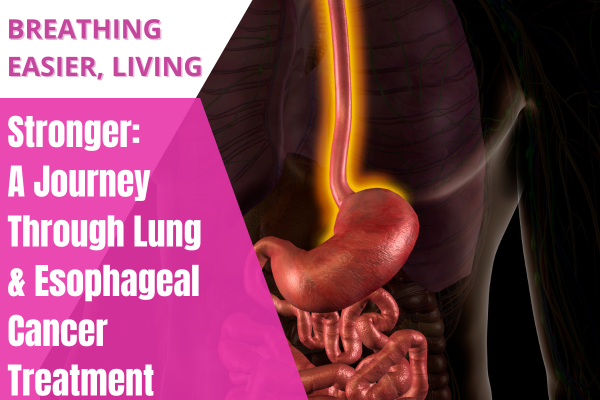
Esophageal cancer develops in the esophagus, the tube that carries food from the mouth to the stomach. It can affect swallowing and nutrition if left untreated.
Common Symptoms of Lung Cancer
- Persistent cough
- Coughing up blood
- Chest pain
- Shortness of breath
- Unexplained weight loss
- Fatigue
- Recurrent chest infections
Common Symptoms of Esophageal Cancer
- Difficulty swallowing (Dysphagia)
- Pain while swallowing
- Unexplained weight loss
- Persistent heartburn
- Chest discomfort
- Hoarseness of voice
- Chronic cough
Early diagnosis significantly improves treatment possibilities and outcomes.
The Emotional Impact of a Cancer Diagnosis
For Arup and his family, the diagnosis brought immense emotional challenges.
They experienced:
- Fear of cancer progression
- Anxiety regarding surgery
- Concerns about future health
- Emotional stress
- Uncertainty about recovery
Like many cancer patients, he needed more than medical treatment.
He needed confidence, guidance, and a compassionate team that would stand beside him throughout his journey.
Expert Surgical Oncology Care with Dr. Syed Hassanujjaman
During consultation, Dr. Hassanujjaman carefully reviewed all diagnostic reports and explained the treatment plan in a simple, reassuring manner.
His patient-centered approach immediately helped ease the family’s anxiety.
Rather than focusing solely on tumor removal, he emphasized:
- Personalized cancer care
- Advanced surgical techniques
- Organ preservation whenever possible
- Long-term quality of life
- Comprehensive rehabilitation support
This holistic approach helped Arup face treatment with confidence and optimism.
Advanced Treatment Options for Lung & Esophageal Cancer
Modern oncology offers highly specialized treatment strategies for thoracic and gastrointestinal cancers.
Arup’s Treatment Plan Included:
- Comprehensive cancer evaluation
- Advanced imaging and staging
- Multidisciplinary tumor board consultation
- Precision cancer surgery
- Minimally invasive surgical techniques when appropriate
- Nutritional support
- Chemotherapy and radiation planning if required
- Postoperative rehabilitation
- Long-term follow-up care
The treatment plan was customized according to the stage, location, and characteristics of the cancer.
Why Early Detection Matters
Many patients ignore symptoms such as persistent cough or difficulty swallowing until the disease becomes advanced.
Benefits of Early Diagnosis
- Greater treatment options
- Better surgical outcomes
- Improved survival rates
- Enhanced quality of life
- Reduced complications
- Faster recovery
Prompt medical evaluation of suspicious symptoms can be lifesaving.
Recovery Journey: One Step Toward Healing
Cancer treatment required courage, patience, and determination.
There were challenging days during recovery, but Arup remained focused on regaining his health.
With guidance from Dr. Hassanujjaman and support from his family, he gradually began noticing positive changes.
His swallowing improved.
His energy levels increased.
Follow-up evaluations showed encouraging progress.
Each milestone brought renewed confidence and hope.
The activities he once feared he might never enjoy again slowly became part of his daily life.
Life After Cancer
Today, Arup enjoys a healthier and more active lifestyle.
He continues regular follow-up appointments and remains committed to maintaining his health.
Most importantly, he has regained confidence in the future.
His story demonstrates how modern cancer care, expert surgical oncology, and personalized treatment can help patients successfully overcome even the most challenging diagnoses.
Under the supervision of Dr. Syed Hassanujjaman, what began as a frightening diagnosis became a story of resilience, recovery, and renewed hope.
Frequently Asked Questions (FAQs)
What are the early signs of lung cancer?
Persistent cough, chest pain, shortness of breath, coughing up blood, fatigue, and unexplained weight loss may be warning signs.
What are the symptoms of esophageal cancer?
Difficulty swallowing, pain while swallowing, weight loss, chest discomfort, and persistent heartburn are common symptoms.
Can lung and esophageal cancer be treated successfully?
Yes. Treatment outcomes are often better when the cancer is diagnosed early and managed by experienced oncology specialists.
Is surgery necessary for lung or esophageal cancer?
Many patients benefit from surgery, particularly when the disease is detected at an operable stage. Treatment recommendations vary based on individual circumstances.
What treatments are available?
Treatment may include surgery, chemotherapy, radiation therapy, immunotherapy, targeted therapy, or a combination of these approaches.
When should I consult a cancer specialist?
Persistent cough, unexplained weight loss, difficulty swallowing, chest discomfort, or abnormal imaging findings should be evaluated promptly.
Conclusion: Expert Care Creates New Possibilities
A diagnosis of Lung or Esophageal Cancer can feel overwhelming, but advances in surgical oncology have transformed treatment outcomes and recovery possibilities.
Under the expert supervision of Dr. Syed Hassanujjaman, one of the Best Surgical Oncologists, patients receive comprehensive cancer care focused on accurate diagnosis, advanced surgical treatment, compassionate support, and long-term wellness.
Arup’s journey is a powerful reminder that cancer does not define a person’s future. With timely intervention, expert surgical care, and unwavering determination, patients can move beyond fear and embrace a future filled with strength, hope, and renewed possibilities.